
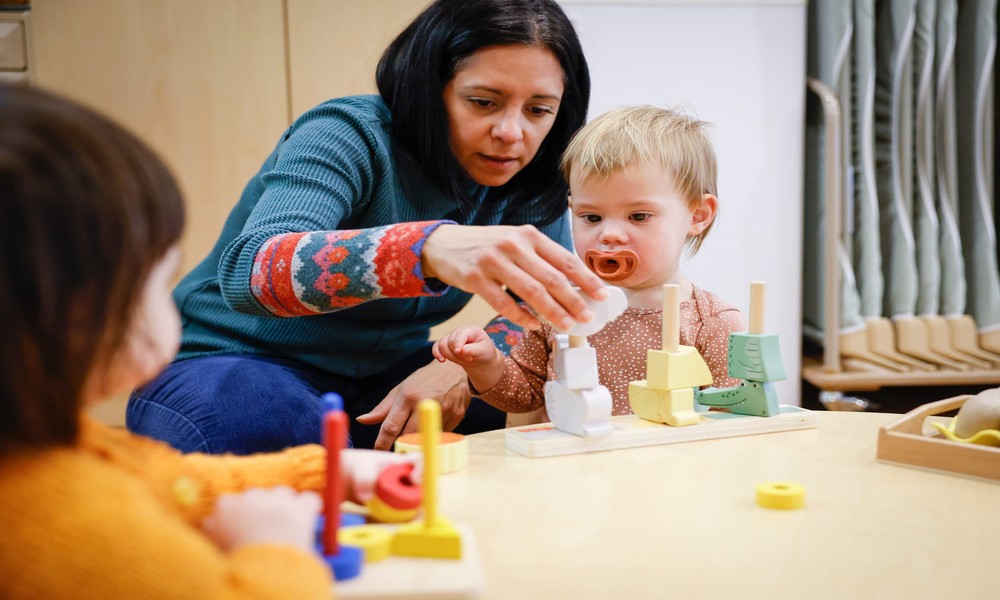
Picking the right childcare shapes how your child sees the world. This choice affects their curiosity, kindness, and confidence for years to come. Parents want a place where children feel safe while learning to care about others.
What Makes Good Early Years Care Different
Quality child care centres focus on more than just keeping kids busy. They create spaces where little ones explore, question, and discover. Children learn through play, conversation, and hands-on activities that spark wonder.
Look for places where staff get down to a child’s level. Watch how they respond when a toddler shows them a rock or asks why the sky is blue. These small moments matter more than fancy equipment or rigid schedules.
The physical space should invite exploration. Low shelves let children choose their own activities. Natural materials like wood, fabric, and plants create a calm atmosphere. Cosy corners give kids a place to rest when the world feels too big.
Building Kindness Through Daily Interactions
Children learn empathy by watching how adults treat them and others. When caregivers model gentle communication, kids pick up these skills naturally. They learn to share, take turns, and help friends who feel sad.
Mixed age groups help younger children learn from older ones. A three-year-old might show a toddler how to build with blocks. A five-year-old could comfort a crying newcomer. These moments teach compassion better than any lesson plan.
Good childcare settings encourage children to notice each other’s feelings. Staff might say, “Look, Sam seems upset. What could we do to help?” This helps kids develop emotional awareness and problem-solving skills together.
Nurturing Natural Curiosity
Young children ask endless questions. They want to know how things work and why. The right environment feeds this hunger for knowledge without pushing formal academics too soon.
Outdoor time matters enormously for curious minds. Digging in mud, watching insects, and climbing trees teach science, maths, and risk assessment. Nature provides lessons that no worksheet can match.
Staff should follow children’s interests rather than forcing preset themes. If kids become obsessed with dinosaurs, that passion can lead to counting, measuring, drawing, and storytelling. Learning feels natural when it connects to what children already care about.
Signs of a Supportive Learning Space
Visit potential child care options during regular hours. Watch how staff interact with children during transitions like snack time or cleanup. These everyday moments reveal the true culture of a place.
Children should look engaged, not just occupied. Are they focused on their activities? Do they chat happily with caregivers? Can they move freely between different areas? These signs indicate a healthy environment.
Ask how staff handle conflicts between children. Strong programmes use these moments to teach communication skills. They help kids express their feelings and find solutions together rather than simply enforcing rules.
The Parent Partnership
Your relationship with caregivers shapes your child’s experience. Staff should welcome your questions and share observations about your child’s day. Regular communication helps everyone support the child’s growth.
Good providers understand that families have different values and routines. They respect your approach to parenting while offering their professional knowledge. This partnership helps children feel secure in both environments.
Trust Your Instincts
After researching and visiting options, pay attention to your gut feeling. Does this place feel warm and welcoming? Can you picture your child thriving here? Your instincts matter when making this important choice.
The right childcare setting becomes a second home where your child grows in confidence and capability. They learn to be kind to others while staying true to themselves. They ask questions, take reasonable risks, and develop a genuine love of learning.
This foundation stays with them long after they leave early years care. Children who experience warmth, respect, and genuine interest in their ideas carry these gifts forward. They become teenagers and adults who remain curious about the world and compassionate towards the people in it.