
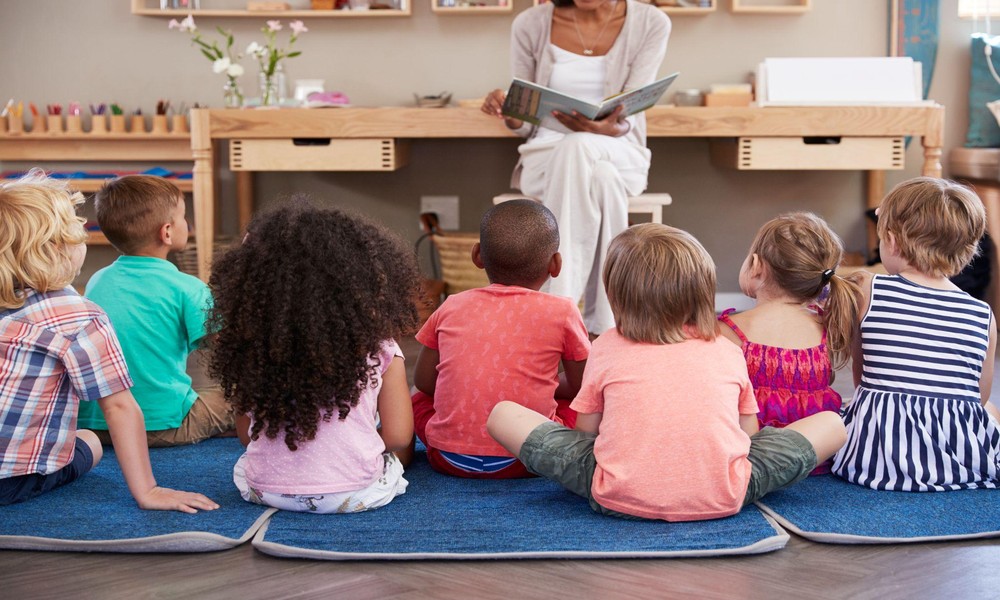
Key Highlights
- Focus on developing social-emotional skills like sharing, empathy, and teamwork.
- Introduction to foundational literacy and numeracy through interactive and hands-on activities.
- Emphasis on fine and gross motor skill development through outdoor play and indoor crafts.
- A balanced schedule that includes structured learning time and free exploration.
Introduction
The transition to Nursery 2 is a significant milestone in a child’s early education journey. At age four, children are becoming more independent, curious, and social, making it the perfect time for a more structured learning environment. A Nursery 2 programme in Singapore is designed to bridge the gap between the play-based focus of earlier years and the more academic requirements of kindergarten. In a reputable nursery school in Singapore, the curriculum is carefully crafted to support a child’s holistic development, covering everything from language and logic to physical coordination and social interaction. Parents often find that this year is when their children’s personalities truly begin to shine, as they learn to navigate a classroom setting and build their first real friendships. Understanding what happens during a typical day in Nursery 2 can help parents support their child’s growth and feel more confident about this important educational step.
1. Developing Social and Emotional Intelligence
At the heart of any quality Nursery 2 programme in Singapore is a focus on social and emotional development. For many children, this is the first time they are part of a larger peer group where they must learn to navigate complex social situations. In a nursery school in Singapore, teachers facilitate activities that encourage children to share, take turns, and work together on group projects. These experiences are vital for building empathy and self-regulation. Children learn how to express their feelings in a healthy way and how to resolve small conflicts with their classmates. This “soft skill” foundation is just as important as academic learning, as it gives children the confidence and resilience they need to succeed in more formal school settings later on. A supportive classroom culture ensures that every child feels safe to explore and interact.
2. Foundations of Literacy and Numeracy
While the focus remains on fun and engagement, a Nursery 2 programme in Singapore introduces the building blocks of reading, writing, and mathematics. Instead of textbooks and drills, a nursery school in Singapore uses storybooks, rhymes, and hands-on manipulatives to teach these concepts. Children begin to recognise letter sounds, practice writing their names, and learn to count and categorise objects. This stage is all about building “pre-literacy” and “pre-numeracy” skills. For example, a math lesson might involve sorting colourful blocks by shape or size, while a literacy lesson might involve “acting out” a favourite story. This approach ensures that children develop a strong conceptual understanding of these subjects without feeling overwhelmed. By making learning interactive, teachers foster a natural curiosity and a love for discovery that will benefit children throughout their school years.
3. Enhancing Physical Coordination and Motor Skills
Physical development is a major component of the curriculum in a nursery school in Singapore. The Nursery 2 programme in Singapore includes daily opportunities for both gross and fine motor skill practice. Gross motor skills are developed through outdoor play, where children run, jump, climb, and balance on playground equipment. These activities build core strength and overall physical confidence. Meanwhile, fine motor skills are sharpened through classroom activities like drawing, using safety scissors, playing with playdough, and threading beads. These tasks are essential for developing the hand-eye coordination and finger strength needed for writing. A well-rounded programme ensures that children have plenty of time to move their bodies and engage their senses, recognising that physical activity is closely linked to cognitive development and emotional well-being.
4. Encouraging Independence and Self-Care
Nursery 2 is a year of growing independence. One of the goals of a Nursery 2 programme in Singapore is to help children become more self-sufficient in their daily routines. In a nursery school in Singapore, teachers encourage children to take responsibility for simple tasks, such as putting away their toys, managing their own belongings, and practicing basic personal hygiene like washing their hands. These small steps build a sense of agency and pride in their own abilities. Children also learn to follow a structured daily routine, which helps them feel secure and understand what is expected of them throughout the day. This transition from being “taken care of” to “taking care of oneself” is a vital part of growing up and prepares children for the increased responsibilities they will face in kindergarten and beyond.
Conclusion
The Nursery 2 year is a vibrant and transformative time for young learners. By providing a balanced mix of social interaction, foundational academics, physical activity, and independence-building, a nursery school in Singapore sets the stage for lifelong learning. A well-designed Nursery 2 programme in Singapore understands the unique developmental needs of four-year-olds and provides a nurturing environment where they can thrive. As a parent, seeing your child grow in confidence, make new friends, and develop a genuine interest in the world around them is incredibly rewarding. Choosing the right programme ensures that your child’s first experiences with formal education are positive, engaging, and full of wonder. With the right support, your child will enter their later school years with a solid foundation and a joyful heart.
Contact Orange Tree Preschool today to find out more about our Nursery 2 curriculum and school facilities.