
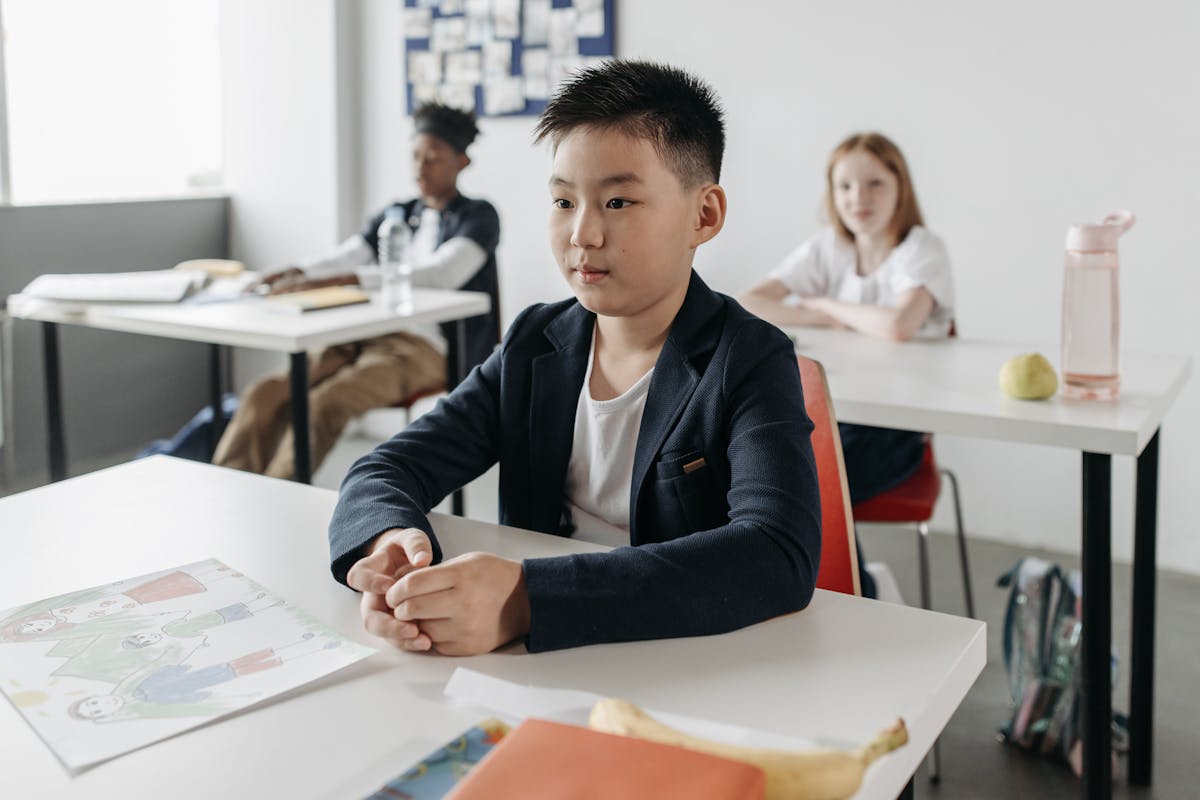
Raising a respectful child is one of the most valuable and lasting gifts you can give the world—and your child. Respect isn’t just about good manners; it’s about understanding boundaries, showing kindness, and learning empathy. It’s a skill that grows with consistent guidance and modelling at home. Inspired by the practices of this private school in Wales, here’s how.
Lead by Example
Children learn far more from what we do than what we say. If you want your child to be respectful, it’s important to model respectful behaviour yourself. This means showing consideration for others, listening without interrupting, and handling disagreements calmly.
Say “please” and “thank you,” apologise when you make mistakes, and treat people—whether it’s family, friends or strangers—with dignity. Your child will naturally mirror the tone and attitude you present in everyday situations.
Set Clear Expectations
Respect begins with clear boundaries. From a young age, let your child know what respectful behaviour looks like. Explain that speaking kindly, using polite language, and listening when others are talking are basic expectations, not optional extras.
It’s also helpful to talk about tone of voice and body language. Children may not always realise that crossing their arms or rolling their eyes can come across as disrespectful. Gently guide them towards more open and thoughtful ways of communicating.
Encourage Empathy
Empathy is at the heart of respect. Helping children to see things from another person’s perspective builds understanding and compassion. If your child argues with a sibling or friend, ask questions like, “How do you think that made them feel?” or “What would you want someone to do if you were in their place?”
Books, films, and real-life situations all offer great opportunities to explore how others feel and what respectful behaviour looks like in action.
Praise Respectful Behaviour
When your child demonstrates respectful behaviour, make sure to acknowledge it. Positive reinforcement helps children understand which behaviours are valued. A simple “I liked how you waited your turn” or “That was very thoughtful of you” can go a long way in reinforcing those good habits.
Try to focus on effort as well as outcomes—recognising when they try to be respectful, even if they don’t get it quite right every time.
Teach Through Challenges
No child is respectful all the time. There will be moments of frustration, backtalk, or thoughtlessness. These are valuable learning moments. Stay calm and address the behaviour without shaming them. Let them know what was inappropriate, why it matters, and how they can handle the situation better next time.
It’s also helpful to allow them to make amends. Saying sorry, writing a note, or doing something kind to repair a mistake can all build accountability.
Final Thoughts
Raising a respectful child is an ongoing process that takes patience, consistency, and love. It doesn’t happen overnight, but with thoughtful guidance and plenty of positive examples, your child will grow into someone who treats others with kindness and consideration. And in a world that often feels rushed and disconnected, that’s something truly worth striving for.