
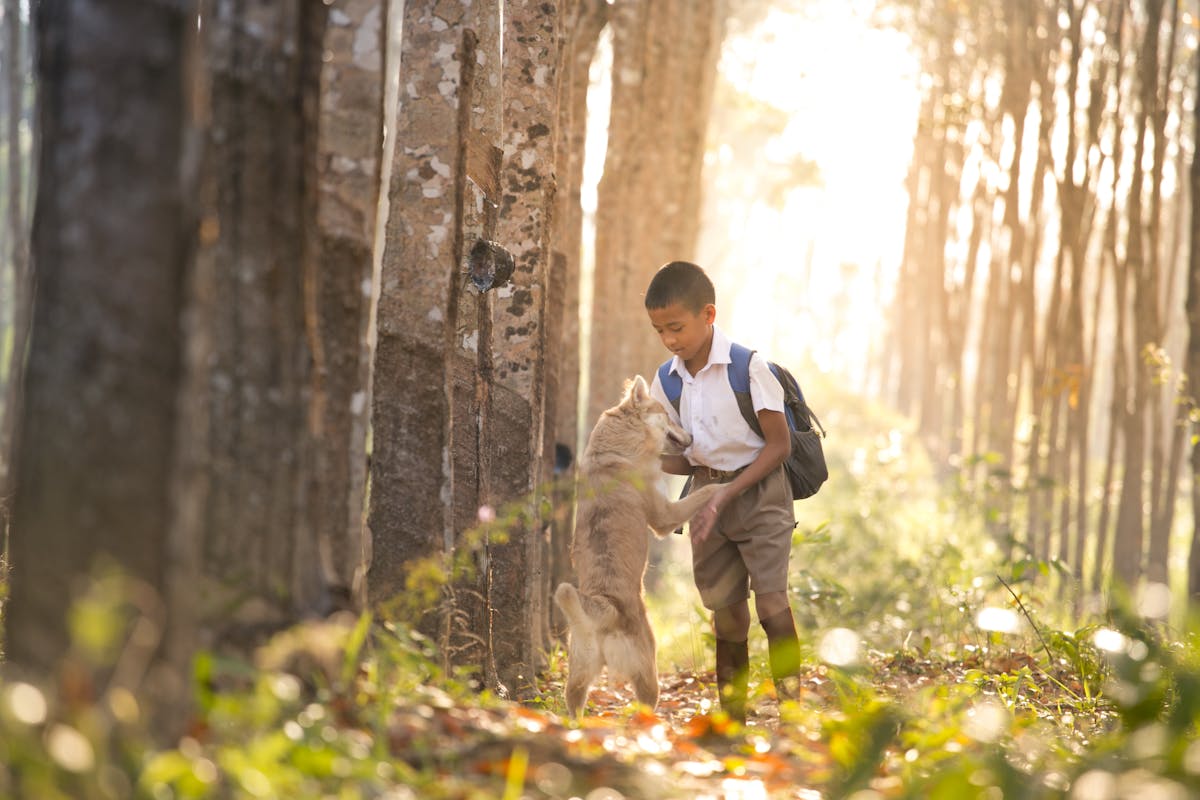
In recent years, Forest School has gained popularity as an alternative or complementary approach to early years and primary education. Rooted in child-centred learning and outdoor exploration, it offers a host of benefits that support children’s physical, emotional, and social development.
What is Forest School?
Like this prep school in Essex, Forest School is an outdoor education model that originated in Scandinavia and has since been adopted across the UK. It involves regular sessions in a natural environment where children can explore, play, and learn through hands-on experiences. Rather than following a rigid curriculum, Forest School promotes curiosity, creativity and independence through activities such as den building, tool use, nature crafts and wildlife observation.
Encouraging Confidence and Independence
One of the most noticeable benefits of Forest School is the boost in self-confidence it gives children. They are encouraged to make their own decisions, take calculated risks and solve problems independently. Whether it’s learning to safely use a saw or navigating a muddy trail, these activities help children trust their instincts and grow more confident in their abilities.
Supporting Physical Health and Wellbeing
Spending time outdoors is naturally beneficial for children’s physical health. At Forest School, children are constantly on the move – climbing, running, lifting, and balancing – which helps develop coordination, strength and gross motor skills. Fresh air and exposure to natural light also contribute to better sleep and mood regulation.
In addition to physical health, Forest School supports mental wellbeing. Being in a green environment reduces stress, improves focus, and promotes a sense of calm. For children who may find traditional classroom settings overwhelming, Forest School provides a more relaxed and sensory-rich alternative.
Enhancing Social Skills and Teamwork
Forest School promotes collaboration and communication. Many activities require teamwork, such as building a shelter or cooking over a campfire, helping children to develop their ability to listen, negotiate and compromise. It also encourages empathy and respect, as children learn to care for nature and each other.
Fostering a Lifelong Connection with Nature
Children who attend Forest School tend to develop a strong bond with the natural world. They become more aware of seasonal changes, wildlife habitats, and the impact of human behaviour on the environment. This connection often leads to more environmentally conscious attitudes and behaviours later in life.
Tailored to Individual Needs
One of the key principles of Forest School is that it’s learner-led. This makes it an inclusive setting that can benefit children with a range of learning styles and needs. Whether a child is quiet and observant or energetic and hands-on, Forest School provides the space for them to flourish at their own pace.
A Valuable Addition to Education
While Forest School is not a replacement for traditional schooling, it offers valuable experiences that complement classroom learning. It nurtures the whole child – emotionally, socially, physically, and intellectually – in a way that few other approaches can.
For many families, the benefits of Forest School are evident not just in their child’s learning, but in their happiness, resilience and love for the great outdoors.