
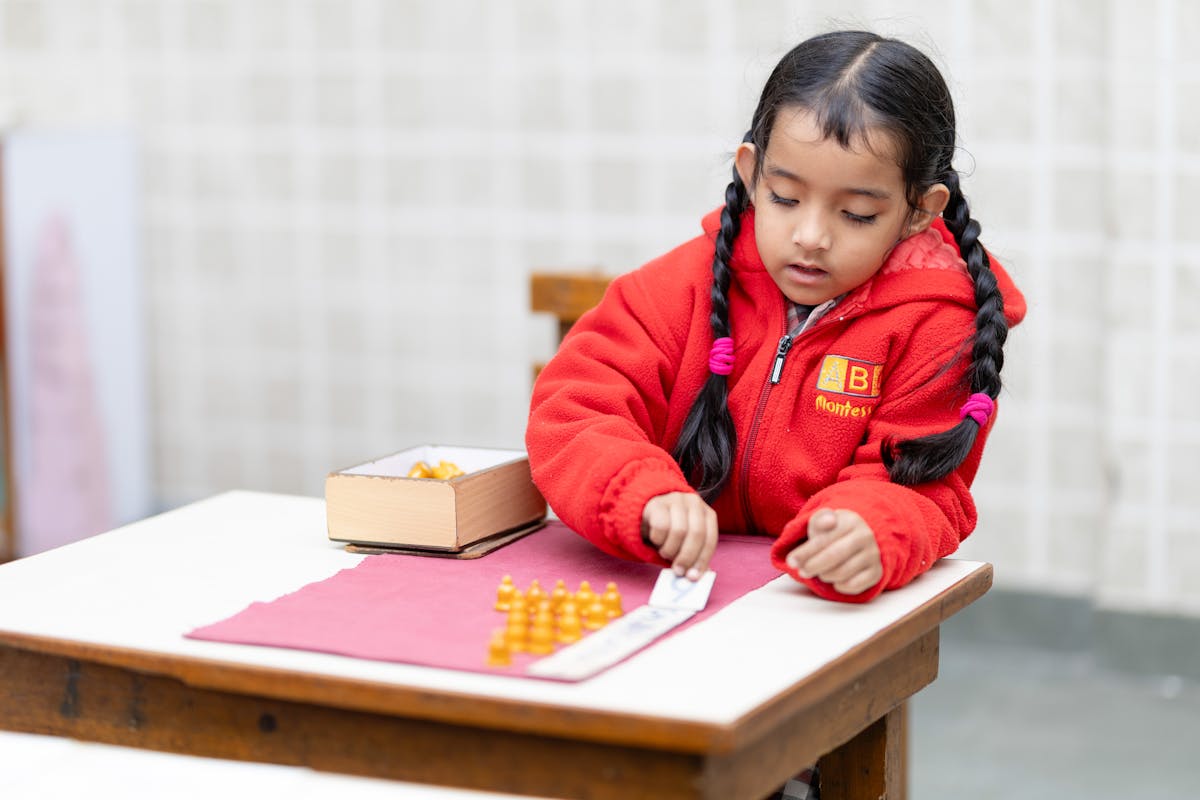
Every child develops at their own pace, but there are plenty of ways parents and carers can support and encourage growth in the early years. From communication to creativity, small, consistent actions can make a big difference. Here are some practical and effective tips to help boost your child’s development.
1. Talk and Listen Every Day
Language development starts from birth. This all girl’s school in London recommends talking to your child regularly – even if they’re not yet talking back – builds vocabulary, understanding, and confidence. Describe what you’re doing, ask open-ended questions, and really listen when they respond. This two-way communication helps them feel valued and heard, while developing essential social and language skills.
2. Read Together Often
Reading is one of the most powerful tools for early learning. Make reading part of your daily routine, whether it’s a bedtime story or a quiet moment during the day. Let your child choose books that interest them and point out words, letters and pictures to build their literacy and comprehension. It’s also a lovely opportunity to bond.
3. Encourage Curiosity and Exploration
Children learn best through play and exploration. Give them space and time to be curious – whether it’s splashing in a puddle, building with blocks or asking “why?” a hundred times. By exploring the world around them, they learn how things work, develop problem-solving skills and build independence.
4. Create a Routine (But Stay Flexible)
Having a consistent routine gives children a sense of security and helps them understand what to expect. Regular mealtimes, playtimes and bedtimes support emotional and physical development. However, it’s also important to remain flexible – allowing for spontaneity and change when needed can help build resilience and adaptability.
5. Promote Physical Activity
Movement is vital for developing motor skills and keeping children healthy. Encourage activities like dancing, running, climbing and balancing. Even simple tasks like helping carry groceries or tidying toys contribute to coordination and muscle strength. Outdoor play also improves mental wellbeing and encourages creativity.
6. Support Emotional Growth
Helping children understand and express their emotions is key to their overall development. Talk about feelings openly and teach them the language to describe how they’re feeling. Validate their experiences, whether it’s excitement, frustration or sadness, and model calm responses to stress. This builds emotional intelligence and empathy.
7. Limit Screen Time
While technology has its place, too much screen time can impact a child’s attention span, sleep and communication. Aim to balance screen time with other activities and ensure any digital content is age-appropriate and educational. Most importantly, lead by example and spend quality time engaging together without devices.
8. Be Their Biggest Cheerleader
Celebrate their efforts, not just outcomes. Praise perseverance, creativity, kindness and curiosity. When children feel encouraged and supported, they are more likely to try new things, face challenges and grow in confidence.
Supporting your child’s development doesn’t require perfection – just presence, patience and positivity. By incorporating a few of these simple habits into daily life, you’re giving them a strong and loving foundation to thrive.